How I Finally Made Peace With My Body: A Real Long-Term Journey to Managing Weight and Healing
For years, I saw my body as the enemy—something to fight, starve, and push through willpower alone. But crash diets and intense workouts only led to burnout and guilt. Over time, I learned that real progress isn’t about quick fixes, but about consistent, gentle changes. This is my story of shifting from self-judgment to self-care, and how long-term obesity management became less about weight and more about healing—mentally, physically, and emotionally.
The Breaking Point: When Short-Term Fixes Failed
There was a time when every new year began with the same promise: this would be the year I finally lost the weight. I would start another strict diet—cutting out entire food groups, skipping meals, or surviving on meal replacement shakes. I pushed myself through punishing exercise routines, often working out on empty, telling myself that pain was progress. For a few weeks, the numbers on the scale would drop, and I’d feel a flicker of hope. But that hope never lasted. Without fail, the hunger, exhaustion, and emotional strain would become too much. I’d eventually return to old habits, not out of weakness, but out of survival. And with that return came the weight—often more than before. This cycle, known as yo-yo dieting, left me physically drained and emotionally defeated.
The emotional toll was just as heavy as the physical one. Each relapse felt like a personal failure. I blamed myself for lacking discipline, for not having enough willpower. I avoided mirrors, social events, and photos. My relationship with food became tense and transactional—every bite measured, every craving punished. Over time, I noticed my energy levels plummeting. Simple tasks like climbing stairs or walking to the mailbox left me winded. I struggled with sleep, often lying awake at night, anxious about the next day’s food choices or the size of my clothes. My mood became fragile, swinging between frustration and numbness. What I didn’t realize then was that my approach was working against my body’s natural rhythms, not with them.
Medical research supports what I eventually came to understand: short-term, extreme interventions often backfire in the long-term management of obesity. When the body is starved or over-exercised without proper recovery, it responds by slowing metabolism, increasing hunger hormones like ghrelin, and storing fat more efficiently. This biological adaptation, once crucial for human survival during times of scarcity, now works against those trying to lose weight in a world of abundance. Additionally, the stress of constant restriction can elevate cortisol levels, which has been linked to increased abdominal fat and insulin resistance. These are not signs of personal failure—they are physiological responses to unsustainable demands. The truth is, obesity is a complex, chronic condition influenced by genetics, environment, hormones, and behavior. Treating it with temporary fixes is like using a bandage for a broken bone—it might cover the wound, but it won’t support real healing.
Rethinking the Goal: From Weight Loss to Body Recovery
The turning point came when I stopped asking, “How can I lose weight?” and started asking, “How can I feel better?” This subtle shift in language represented a deeper transformation in mindset. I began to see my body not as an enemy to be conquered, but as an ally that had been under chronic stress. Instead of focusing solely on the scale, I started paying attention to how I felt—my energy levels, my sleep quality, my mood, and my ability to move without pain. These markers, often overlooked in traditional weight loss narratives, became my new benchmarks of success. And slowly, I began to notice changes. I was sleeping more deeply. My afternoon crashes became less frequent. I had more patience with my family. These weren’t dramatic transformations, but they were real, and they mattered.
Modern medicine increasingly recognizes obesity as a chronic disease, much like diabetes or hypertension. Like these conditions, it requires long-term, sustainable management rather than quick fixes. The goal isn’t perfection or a specific number on the scale, but improved health and quality of life. For example, losing just 5 to 10 percent of body weight can lead to significant improvements in blood pressure, cholesterol levels, and blood sugar control. More importantly, these benefits can occur even if someone doesn’t reach what society considers an “ideal” weight. The focus shifts from appearance to function—from looking good to feeling strong, resilient, and capable.
As I embraced this new perspective, I also became more compassionate toward myself. I stopped viewing every slip-up as a moral failure. Instead, I began to see them as data points—information about what worked, what didn’t, and what I needed in that moment. This mindset allowed me to make adjustments without shame. If I overate at dinner, I didn’t respond with punishment. I asked myself: Was I truly hungry? Was I stressed? Did I skip lunch? These questions helped me understand the root causes of my behaviors, rather than simply judging the outcomes. Healing, I realized, wasn’t about erasing the past, but about building a healthier, more balanced present.
Small Changes That Stuck: Building a Sustainable Routine
One of the most powerful lessons I learned was that consistency beats intensity. Instead of trying to overhaul my entire life overnight, I focused on making small, manageable changes that I could maintain over time. The first step was as simple as drinking a glass of water when I woke up. This small act helped me feel more alert and often reduced mindless snacking later in the morning. I also began to eat more mindfully—sitting down for meals, chewing slowly, and paying attention to hunger and fullness cues. This didn’t mean eating perfectly, but it did mean being present with my food, which helped me enjoy it more and stop when I was satisfied, not stuffed.
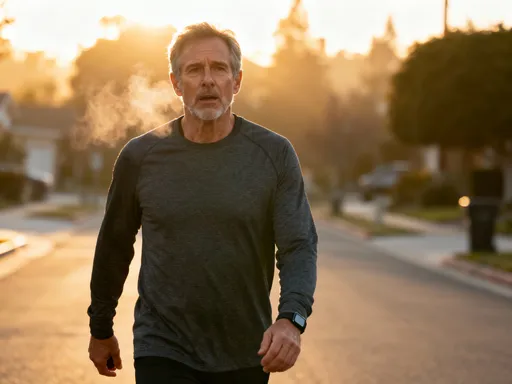
Movement became another cornerstone of my new routine, but not in the way I once thought. I stopped forcing myself into high-intensity workouts I hated. Instead, I started with daily walks—short at first, then gradually longer. I discovered that walking wasn’t just good for my body; it was calming for my mind. I began to look forward to these moments of quiet, especially when I could walk in nature. On days when walking wasn’t possible, I practiced gentle stretching or did a few minutes of seated movement while watching TV. The key was regularity, not rigor. Over time, my stamina improved, and I found myself naturally choosing to move more—taking the stairs, parking farther away, or dancing while cooking dinner.
These small habits created what experts call “non-scale victories”—improvements that aren’t reflected on the scale but are deeply meaningful. I could bend down to tie my shoes without holding onto the counter. I no longer needed to catch my breath after climbing a flight of stairs. I had more energy to play with my children or help my parents with household tasks. These moments of functional improvement became powerful motivators. They reminded me that health isn’t just about weight—it’s about what your body can do. And when motivation waned, these small wins helped me stay the course, not because I was chasing a number, but because I valued how I felt.
The Role of Mindset: Healing the Relationship With Food and Self
Perhaps the most profound part of my journey was learning to heal my relationship with food and, by extension, with myself. For years, I had treated food as the enemy—something to be feared, controlled, and punished. But food is not the problem; it’s a source of nourishment, comfort, and connection. The real issue was my emotional relationship with eating. I realized that I often turned to food not because I was hungry, but because I was stressed, lonely, or overwhelmed. I ate to numb difficult emotions or to fill a void that food could never truly satisfy. This pattern, known as emotional eating, is common and understandable, especially in a culture that often discourages open discussion about emotional needs.
Breaking this cycle required more than willpower—it required self-compassion. I began seeing a therapist who specialized in disordered eating and body image. Through our sessions, I learned to identify my emotional triggers and develop healthier coping strategies—like calling a friend, journaling, or practicing deep breathing. I also started keeping a simple journal where I wrote down not just what I ate, but how I felt before and after. This practice helped me see patterns without judgment. Over time, I became more attuned to my body’s true needs. I learned that it was okay to eat for pleasure, as long as it wasn’t the only way I coped with stress.
Patience became a daily practice. I stopped expecting overnight transformation and started celebrating small steps forward. If I made a healthy choice, I acknowledged it. If I struggled, I spoke to myself with kindness, not criticism. This shift didn’t happen quickly, but it was transformative. I began to see my body not as something to be fixed, but as something to be cared for. I stopped comparing myself to others and started listening to my own inner wisdom. This wasn’t about achieving perfection—it was about progress, presence, and peace.
Movement as Medicine: Finding Joy in Physical Activity
My relationship with physical activity underwent a radical change. Where I once saw exercise as punishment for eating or a way to “burn off” calories, I now see it as a gift to my body. Movement became less about appearance and more about function and feeling. I discovered forms of activity that I genuinely enjoyed—dancing to music in my living room, walking in the park, doing gentle yoga in the morning. These activities didn’t leave me exhausted or sore; they left me energized and centered. I began to look forward to them, not as chores, but as moments of self-care.
The benefits were both physical and emotional. Regular, moderate movement improved my joint health, reduced stiffness, and increased my overall mobility. I noticed that I could stand for longer periods while cooking, carry groceries more easily, and keep up with my grandchildren during visits. My energy levels stabilized, and I no longer experienced the extreme highs and lows that once defined my days. Emotionally, movement became a form of release. It helped me manage stress, clear my mind, and boost my mood. On difficult days, even five minutes of stretching or walking could shift my emotional state.
Experts agree that enjoyable physical activity is more sustainable than forced exercise. When movement feels good, people are more likely to stick with it. The goal isn’t to achieve a certain number of calories burned, but to feel strong, capable, and alive. This doesn’t require a gym membership or expensive equipment. It can be as simple as walking while talking on the phone, gardening, or playing with a pet. The key is to find what brings joy and to make it a regular part of life. For me, movement is no longer a battle—it’s a celebration of what my body can do.
Support Systems and Professional Guidance: Why Going Alone Doesn’t Work
One of the biggest mistakes I made in the beginning was trying to do everything on my own. I believed that asking for help was a sign of weakness, that I should be able to figure it out myself. But managing a chronic condition like obesity is not a solo journey. I eventually reached out to a primary care doctor, who referred me to a registered dietitian. Working with a nutrition professional was eye-opening. Instead of handing me a generic diet plan, she took the time to understand my lifestyle, preferences, and challenges. Together, we created a flexible eating plan that included foods I enjoyed and could realistically maintain.
I also learned the importance of medical supervision. My doctor monitored my blood pressure, cholesterol, and blood sugar levels, which helped us track improvements beyond the scale. We discussed whether medication might be appropriate, based on my health history and weight-related risks. These conversations were not about quick fixes, but about using all available tools to support long-term health. I came to understand that obesity treatment, like any chronic disease management, may involve a combination of lifestyle changes, medical therapy, and ongoing support.
Emotional support was equally important. I joined a local support group for women focused on healthy living. Being in a space where others shared similar struggles helped me feel less isolated. We didn’t compete or compare progress; we encouraged each other, celebrated wins, and offered kindness during setbacks. These connections reminded me that I wasn’t alone. Seeking help—whether from a doctor, dietitian, therapist, or community—is not a sign of failure. It’s an act of courage and self-respect. No one should have to navigate chronic health challenges in silence.
Life After the Hype: What Long-Term Success Actually Looks Like
Today, my life looks different—not because I’ve achieved some dramatic transformation, but because I’ve built a sustainable way of living. I no longer live in constant negotiation with food or my body. Healthy choices feel natural, not forced. I eat when I’m hungry, stop when I’m full, and allow myself to enjoy treats without guilt. Movement is woven into my day, not as a punishment, but as a habit I value. I still have days when I feel tired, emotional, or off-track. But now, I respond with compassion, not criticism. I make adjustments, not drastic overhauls. This is what long-term success looks like—not perfection, but resilience.
My relationship with my body has changed in ways I never expected. I no longer see it as something to be fixed or hidden. I see it as my home—the vessel that carries me through life, that allows me to hug my loved ones, to laugh, to rest, to grow. I’ve learned to appreciate it not for how it looks, but for what it does. The scale still exists, but it doesn’t define me. My worth isn’t measured in pounds or inches, but in how I show up for myself and others each day.
Managing obesity is not a destination; it’s a lifelong practice. It requires patience, self-awareness, and ongoing care. But it also brings profound rewards—greater energy, improved health, deeper self-acceptance. The journey isn’t about becoming someone else. It’s about returning to yourself, with kindness, honesty, and grace. The real victory isn’t a smaller size—it’s waking up each morning and feeling at home in your body, one gentle, honest choice at a time.