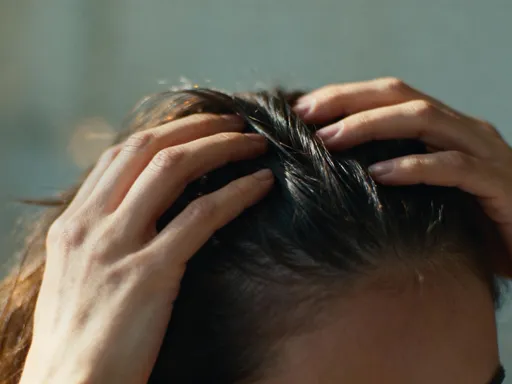
Why Healthy Hair Starts from Within: A No-BS Guide to Real Hair Care
We often blame split ends or bad shampoos for our hair troubles, but what if the real issue runs deeper? I used to obsess over serums and masks until I realized—my hair was crying out for internal care. Thin, brittle strands aren’t just surface problems. They’re signals. This journey taught me that true hair health is built on daily habits, nutrition, and mindset. Let’s unpack the *why* behind the strands—and how small, smart changes can make a noticeable difference.
The Hidden Truth Behind Hair Problems
Hair concerns such as thinning, breakage, and dullness are often treated as cosmetic flaws, but they are frequently symptoms of deeper physiological imbalances. The belief that expensive shampoos or high-end treatments alone can resolve these issues overlooks a fundamental truth: hair is a reflection of overall health. Each strand grows from a follicle rooted beneath the skin, drawing nutrients and signals from the body’s internal environment. When the body is under stress, lacks essential nutrients, or experiences hormonal fluctuations, the hair growth cycle can be disrupted—often months before visible changes appear.
The hair growth cycle consists of three main phases: anagen (growth), catagen (transition), and telogen (resting). Normally, about 85–90% of hair follicles are in the anagen phase at any given time, actively producing new hair. The remaining follicles are in transition or resting, with a small percentage shedding daily—typically 50 to 100 strands. However, internal stressors like nutritional deficiencies, illness, or hormonal shifts can push a larger number of follicles into the telogen phase prematurely. This condition, known as telogen effluvium, leads to noticeable shedding several months after the triggering event, often catching individuals off guard.
Because the delay between cause and visible effect can be significant, many people fail to connect their hair loss with earlier lifestyle or health changes. For example, a severe flu, a period of intense emotional stress, or a sudden dietary restriction might not show consequences in the mirror for weeks or even months. This disconnect reinforces the misconception that hair issues are purely external, leading to a cycle of superficial treatments that fail to address the root cause. Understanding this lag is crucial—it underscores the importance of proactive, consistent care rather than reactive fixes.
Moreover, hair is one of the body’s lowest priorities when allocating resources. During times of scarcity—whether due to poor nutrition, chronic stress, or illness—the body redirects energy and nutrients to vital organs, slowing or halting non-essential processes like hair growth. This survival mechanism explains why hair often thins during or after periods of physical or emotional strain. Recognizing hair as a barometer of internal balance shifts the focus from concealment to care, encouraging a more holistic and sustainable approach to hair health.
Nutrition: The Building Blocks of Strong Hair
Hair is primarily composed of a protein called keratin, but its production depends on a steady supply of essential nutrients from the diet. Without adequate nourishment, even the most carefully curated hair care routine will fall short. The foundation of strong, resilient hair lies in consistent intake of key vitamins and minerals, not in temporary topical solutions. While supplements are often marketed as quick fixes, real progress comes from whole-food nutrition that supports long-term health.
Protein is the most fundamental building block. Since hair is made of protein, insufficient dietary intake can lead to weakened strands, slower growth, and increased shedding. Adults should aim for approximately 0.8 grams of protein per kilogram of body weight daily, though individual needs may vary based on activity level and health status. Good sources include lean meats, eggs, dairy, legumes, and plant-based proteins like lentils and quinoa. For those following vegetarian or vegan diets, combining different plant proteins throughout the day ensures a complete amino acid profile necessary for keratin synthesis.
Iron plays a critical role in delivering oxygen to hair follicles via red blood cells. Iron deficiency, particularly in women of reproductive age, is a well-documented cause of hair thinning. Without enough iron, the body cannot produce sufficient hemoglobin, leading to reduced oxygen supply and impaired follicle function. Dietary sources of iron include red meat, poultry, beans, spinach, and fortified cereals. Pairing iron-rich plant foods with vitamin C—such as adding bell peppers to a spinach salad—enhances absorption, making meals more effective in supporting hair health.
Zinc is another essential mineral involved in hair tissue growth and repair. It also helps regulate the oil glands around follicles, maintaining scalp balance. Low zinc levels have been linked to both hair loss and scalp conditions like dandruff. Foods rich in zinc include oysters, beef, pumpkin seeds, and chickpeas. However, excessive zinc intake can interfere with copper absorption and cause adverse effects, so balance is key—preferably achieved through food rather than high-dose supplements.
Omega-3 fatty acids, found in fatty fish like salmon, flaxseeds, and walnuts, support scalp health by reducing inflammation and keeping hair follicles well-lubricated. These fats also contribute to hair shine and elasticity, reducing brittleness. Similarly, vitamins B12 and D are vital for hair cycle regulation. B12 deficiency, common in older adults or those with restricted diets, can impair cell reproduction in the follicle. Vitamin D receptors are present in hair follicles, and research suggests that low levels may be associated with alopecia and poor hair growth. Sun exposure, fortified foods, and fatty fish are natural sources of vitamin D, though some individuals may require supplementation under medical guidance.
Restrictive diets—especially those very low in calories or eliminating entire food groups—can silently damage hair over time. Rapid weight loss, extreme detoxes, or prolonged fasting may trigger what is often called the “invisible crash”: a slow but steady decline in hair quality that goes unnoticed until shedding becomes significant. The body interprets severe calorie restriction as a state of emergency, shifting resources away from non-essential functions like hair growth. This is why many people experience hair loss after a diet, not during it. Sustainable nutrition, rich in variety and balance, is far more effective than short-term fixes.
Scalp Health: More Than Just Cleanliness
The scalp is not just the surface where hair grows—it is a dynamic ecosystem that directly influences hair strength, growth rate, and overall appearance. Often overlooked, scalp health depends on more than daily washing. It involves maintaining a proper balance of natural oils, promoting circulation, and supporting a healthy microbiome. When the scalp is compromised—whether by buildup, irritation, or poor blood flow—the hair follicles suffer, leading to weakened growth and increased shedding.
Natural sebum, the oil produced by sebaceous glands, plays a protective role by moisturizing both the scalp and hair shaft. However, an imbalance—either too much or too little oil—can create problems. Excess sebum can trap dirt and dead skin cells, clogging follicles and fostering bacterial or fungal overgrowth, which may contribute to dandruff or inflammation. On the other hand, over-cleansing or using harsh shampoos can strip away natural oils, leading to dryness, itching, and a compromised skin barrier. The goal is not to eliminate oil but to maintain equilibrium through gentle, appropriate cleansing.
Blood circulation to the scalp is another critical factor. Hair follicles require a steady supply of oxygen and nutrients delivered via the bloodstream. Poor circulation—often due to sedentary habits, stress, or tight hairstyles—can impair this delivery, slowing hair growth. Simple practices like regular scalp massage or brushing with a soft-bristled brush can stimulate blood flow and support follicle health. These actions need not be time-consuming; even a few minutes daily can make a difference over time.
The scalp also hosts a diverse microbiome—a community of bacteria and fungi that, when balanced, protects against pathogens and maintains skin integrity. Disruptions to this balance, caused by harsh products, environmental pollutants, or excessive heat styling, can lead to inflammation and follicle damage. Using mild, pH-balanced cleansers and avoiding over-exfoliation helps preserve this delicate ecosystem. Ingredients like pyrithione zinc or tea tree oil may offer benefits for those with flaky or irritated scalps, but should be used with caution to avoid over-drying.
Proper brushing techniques also play a role in scalp and hair health. Brushing helps distribute natural oils from the scalp down the hair shaft, improving shine and moisture. However, aggressive brushing—especially on wet hair, which is more elastic and prone to breakage—can cause damage. Starting from the ends and working upward with a wide-tooth comb minimizes stress on the strands. Natural bristle brushes, such as those made from boar hair, are often recommended for their ability to gently stimulate the scalp and spread oils evenly.
Lifestyle Stress and Its Hair Impact
Chronic stress is one of the most underestimated factors in hair health. While often associated with mental fatigue or sleep disturbances, stress has a direct physiological impact on the body—including the hair growth cycle. The stress hormone cortisol, when elevated over long periods, can disrupt the normal functioning of hair follicles, leading to temporary shedding known as telogen effluvium. This condition typically appears two to three months after a stressful event, making it difficult to trace back to its origin.
Life events such as job loss, caregiving responsibilities, financial strain, or major illness can all trigger this response. Even less obvious stressors—like poor sleep, emotional burnout, or constant multitasking—accumulate over time and affect the body’s internal balance. The hair follicle, being sensitive to hormonal and metabolic changes, responds by entering a resting phase prematurely. As a result, more hairs than usual shed during brushing or washing, creating a noticeable thinning effect.
Sleep quality is closely tied to stress and hair health. During deep sleep, the body undergoes repair processes, including tissue regeneration and hormone regulation. Disrupted or insufficient sleep interferes with these functions, impairing the body’s ability to maintain healthy hair growth. Establishing a consistent sleep routine—going to bed and waking at the same time, minimizing screen exposure before bed, and creating a restful environment—can support both mental well-being and hair resilience.
Emotional fatigue, often dismissed as mere tiredness, also takes a physical toll. When the mind is overwhelmed, the body remains in a state of low-grade alertness, keeping cortisol levels elevated. This prolonged activation of the stress response system diverts energy from non-essential functions, including hair production. Women in particular, who often juggle multiple roles at home and work, may experience this form of silent strain without realizing its impact. Recognizing the signs—persistent fatigue, irritability, difficulty concentrating—is the first step toward addressing the root cause.
Real-life scenarios illustrate this connection clearly. A mother recovering from a serious infection may notice sudden hair shedding months later, unaware that the illness triggered a shift in her hair cycle. A professional enduring a high-pressure project may see thinning along the hairline, not from styling, but from sustained mental strain. These examples highlight the importance of viewing hair health within the broader context of overall well-being. Managing stress through mindfulness, movement, or simply setting boundaries can have a profound effect on both mental clarity and hair strength.
Hair Care Routines That Actually Work
In a market flooded with products promising instant transformation, it’s easy to believe that more is better. Yet, the most effective hair care routines are often the simplest. Complexity does not equal effectiveness—consistency does. A sustainable routine focuses on gentle practices, protective habits, and realistic expectations. Rather than chasing the latest trend, the goal is to build a system that supports long-term health without causing unintended damage.
Washing frequency should be tailored to individual hair type and scalp condition. Those with oily scalps may benefit from washing every two to three days, while individuals with dry or curly hair may need less frequent cleansing to preserve natural oils. Over-washing strips the scalp of sebum, prompting it to produce more oil in compensation—a cycle that can worsen greasiness. Using lukewarm water and a mild shampoo helps maintain balance without irritation.
Conditioning is essential, but application matters. Conditioner should be applied primarily to the mid-lengths and ends of the hair, where damage and dryness are most common. Applying it directly to the scalp can weigh hair down and contribute to buildup, especially in fine or oily hair types. Deep conditioning treatments, used once a week, can restore moisture and improve manageability, particularly for chemically treated or heat-styled hair.
Heat styling tools—flat irons, curling wands, blow dryers—are common culprits in hair damage. High temperatures weaken the protein structure of the hair shaft, leading to brittleness and split ends. Using a heat protectant before styling creates a barrier that reduces direct damage. Additionally, setting tools to lower temperatures and limiting their use to a few times a week can significantly extend hair strength and shine.
One of the most persistent myths in hair care is the idea that brushing 100 strokes a day promotes growth. In reality, excessive brushing, especially on wet or tangled hair, increases friction and breakage. Gentle detangling with a wide-tooth comb, starting from the ends, is far more effective and less damaging. Similarly, tight hairstyles like high ponytails or braids worn daily can cause traction alopecia—a form of hair loss due to constant pulling on the follicles. Opting for looser styles and rotating hair accessories can prevent long-term damage.
Small, consistent habits—what experts call “habit stacking”—can amplify results over time. Using a silk or satin pillowcase reduces friction during sleep, minimizing breakage and frizz. Air-drying when possible, avoiding tight headbands, and trimming split ends every few months are simple actions that add up. These practices don’t promise overnight miracles, but they create a supportive environment for healthier hair growth.
When to Seek Professional Help
While lifestyle and dietary changes can resolve many hair concerns, some conditions require expert evaluation. Recognizing the difference between temporary shedding and a more serious issue is crucial. Sudden, patchy hair loss—especially in round or irregular patches—may indicate alopecia areata, an autoimmune condition that attacks hair follicles. Unlike general thinning, this type of loss appears abruptly and may be accompanied by changes in nail texture.
Scalp lesions, persistent redness, flaking, or itching that doesn’t improve with over-the-counter care could signal underlying dermatological conditions such as psoriasis, seborrheic dermatitis, or fungal infections. These require targeted treatments that go beyond basic hygiene. A board-certified dermatologist or trichologist—a specialist in hair and scalp disorders—can perform a thorough assessment, possibly including blood tests or a scalp biopsy, to determine the root cause.
Women experiencing diffuse thinning, particularly around the part line, may be dealing with female pattern hair loss, a genetic condition that often begins after menopause but can appear earlier. Early intervention with FDA-approved treatments like minoxidil, under medical supervision, can slow progression and improve density. However, self-diagnosis and unregulated product use can delay proper care and worsen outcomes.
It’s important to emphasize that no article, guide, or online resource can replace personalized medical advice. While general information is helpful, individual health histories vary significantly. Blood tests to check for iron, vitamin D, thyroid function, and hormone levels are often necessary to identify hidden deficiencies or imbalances. Early evaluation not only improves the chances of recovery but also prevents irreversible follicle damage that can occur with prolonged neglect.
Building a Long-Term Hair Health Mindset
True hair health is not achieved through quick fixes or miracle products. It is the result of consistent, mindful habits that support the body as a whole. Progress is often slow—hair grows at an average rate of about half an inch per month—so patience is essential. Rather than focusing on immediate results, the goal should be gradual improvement: stronger strands, reduced shedding, and increased resilience over time.
This journey requires self-observation. Keeping a simple journal to track diet, stress levels, sleep patterns, and hair changes can reveal valuable insights. For example, noticing increased shedding after a period of poor sleep or dietary changes can help identify personal triggers. This awareness empowers individuals to make informed choices rather than reacting blindly to symptoms.
Hair care is not isolated from overall self-care. Hydration, regular movement, and emotional well-being all contribute to a healthy internal environment. Drinking enough water supports cellular function, including follicle activity. Physical activity improves circulation, delivering nutrients more efficiently to the scalp. Mindfulness practices like deep breathing or gentle yoga can reduce stress and its hormonal impact on hair.
The ultimate aim is not perfection, but a healthier relationship with one’s body. Hair is not just a cosmetic feature—it is a living part of who we are, responsive to how we treat ourselves. By listening to its signals, nourishing it from within, and protecting it with thoughtful habits, we honor not just our appearance, but our overall health. In doing so, we build not only stronger hair, but a stronger sense of well-being that radiates from the inside out.