Why Hiking Changed My Health Game — A Real Talk on Staying Fit the Natural Way
You don’t need a gym membership or magic pills to feel stronger and healthier—sometimes, the best remedy is right outside your door. I started hiking as a weekend escape, but it quickly became my go-to for lasting energy, better mood, and real physical results. No hype, no gimmicks—just steps, nature, and consistency. In this piece, I’ll break down how something as simple as walking uphill can meet serious health standards, backed by science and real-life impact. What began as a casual outing turned into a sustainable health practice that improved my stamina, calmed my mind, and reshaped my daily rhythm. This isn’t about extreme fitness; it’s about finding a natural, accessible way to stay well over time.
The Hidden Power of Hiking: More Than Just a Walk
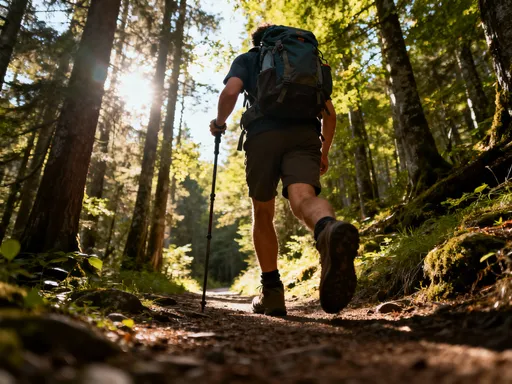
Hiking is often misunderstood as an activity reserved for adventurers or athletes, but in reality, it’s accessible to nearly everyone. At its core, hiking means walking with purpose on natural terrain—whether it’s a forest path, a hillside trail, or a riverside loop. Unlike a stroll through the neighborhood, hiking typically involves changes in elevation, uneven ground, tree roots, rocks, and varying inclines. These subtle challenges engage more muscle groups, increase cardiovascular demand, and improve balance and coordination in ways that flat-surface walking simply can’t match.
The physical benefits of hiking go far beyond casual movement. When you walk uphill, your heart works harder to pump blood to your muscles, which strengthens the cardiovascular system over time. According to the Centers for Disease Control and Prevention (CDC), adults should get at least 150 minutes of moderate-intensity aerobic activity per week to maintain heart health and reduce chronic disease risk. Hiking easily fits this guideline, especially when done at a steady pace on moderately challenging trails. Because it combines endurance, resistance (from gravity), and coordination, it qualifies as a comprehensive form of functional exercise—one that prepares the body for real-world movement.
Additionally, hiking supports joint stability and muscular endurance without the high impact associated with running or jumping. The natural terrain encourages a wider range of motion in the hips, knees, and ankles, helping to maintain flexibility and reduce stiffness. Over time, regular hikers often notice improved posture and reduced lower back discomfort, especially if they spend long hours sitting during the day. The combination of fresh air, rhythmic movement, and varied terrain creates a full-body experience that goes well beyond what most indoor workouts offer.
Perhaps one of the most underappreciated aspects of hiking is its sustainability. Unlike gym routines that can feel repetitive or isolating, hiking offers changing scenery, seasonal variety, and a sense of exploration. This makes it easier to stick with over time. Public health organizations like the World Health Organization (WHO) emphasize the importance of enjoyable physical activity for long-term adherence. Hiking checks that box—it’s not just exercise; it’s an experience that nurtures both body and spirit.
Why Modern Health Standards Favor Functional Fitness
Today’s understanding of health has shifted from purely aesthetic goals—like weight loss or muscle gain—to a broader focus on functional fitness. This means the ability to move freely, carry out daily tasks without strain, maintain balance, and recover quickly from physical exertion. Functional fitness is not about how you look in a mirror; it’s about how well your body performs in everyday life. Hiking directly supports this model by engaging multiple systems at once: cardiovascular, muscular, neurological, and respiratory.
For example, navigating a rocky trail requires constant micro-adjustments in foot placement and body alignment. This enhances proprioception—the body’s awareness of its position in space—which declines with age and inactivity. Strong proprioception reduces the risk of falls, especially in middle-aged and older adults. At the same time, hiking strengthens the stabilizing muscles of the core, hips, and lower legs, which are essential for maintaining upright posture and preventing chronic pain. These improvements translate directly to real-life benefits, such as climbing stairs with ease, carrying groceries, or playing with grandchildren without fatigue.
Compared to structured gym workouts, hiking offers a more holistic form of conditioning. While strength training isolates specific muscle groups and treadmills simulate flat walking, hiking integrates movement in three dimensions. You step over logs, pivot around bends, adjust your stride on slopes, and shift your weight across uneven ground. This dynamic movement builds resilience in ways that repetitive motions often miss. Studies have shown that outdoor physical activity leads to higher long-term adherence than indoor exercise, likely because it feels less like a chore and more like an adventure.
Mental resilience is another key component of modern health standards. Chronic stress, poor sleep, and mental fatigue are now recognized as major contributors to long-term disease. Hiking addresses these issues by combining physical exertion with exposure to natural environments. Research consistently shows that spending time in green spaces lowers cortisol levels, reduces anxiety, and improves mood. Unlike high-intensity interval training, which can be stressful for some bodies, hiking offers a moderate, sustainable way to build both physical and emotional strength.
My "Quick Fix" Myth Breakdown: Speed vs. Sustainability
Like many people, I once believed that real results required drastic measures. I tried short-term diets, intense workout programs, and expensive supplements—only to see temporary changes followed by inevitable burnout. The cycle was frustrating: initial motivation, rapid progress, then exhaustion, injury, or boredom leading to dropout. What I didn’t realize was that true health isn’t built through bursts of effort, but through consistent, manageable habits that become part of daily life. Hiking taught me that slow, steady progress often yields deeper and longer-lasting results than any quick fix ever could.
The appeal of rapid transformation is understandable. We live in a culture that celebrates immediate results—weight loss in two weeks, six-pack abs in 30 days, total body makeovers in under a month. But the reality is that most extreme programs fail because they’re not designed for long-term integration. They demand too much too soon, ignore individual lifestyles, and often lead to metabolic slowdown, muscle loss, or emotional burnout. Public health experts agree that sustainable behavior change is more effective than short-term intensity. Hiking fits this model perfectly—it’s gentle enough to start at any fitness level, yet challenging enough to produce measurable improvements over time.
What sets hiking apart is its compound effect. Each hike builds on the last, gradually increasing stamina, confidence, and physical capacity. There’s no pressure to “max out” or push to failure. Instead, the rhythm of walking allows for reflection, recovery, and presence. Over several weeks, small changes accumulate: breathing becomes easier, legs feel stronger, energy levels rise. These shifts aren’t dramatic overnight, but they’re real and lasting. Unlike crash programs that leave you depleted, hiking leaves you feeling refreshed and empowered.
Moreover, hiking doesn’t require special skills, equipment, or memberships. You don’t need to track reps, sets, or calories burned. You simply show up, step forward, and let the trail do the work. This simplicity makes it easier to maintain, especially for busy women juggling family, work, and personal responsibilities. By prioritizing consistency over intensity, hiking aligns with the core principle of sustainable health: progress, not perfection.
How Hiking Checks the Boxes for Core Health Markers
One of the most compelling reasons to take up hiking is its measurable impact on key health indicators. Blood pressure, resting heart rate, sleep quality, and mood regulation are all recognized markers of overall well-being. When monitored over time, improvements in these areas signal meaningful progress toward long-term health. And the good news is that hiking positively influences each of them, often within just a few weeks of regular practice.
For instance, aerobic activity like hiking helps dilate blood vessels and improve circulation, which can lead to lower systolic and diastolic blood pressure. The American Heart Association notes that consistent moderate-intensity exercise is one of the most effective non-pharmaceutical ways to manage hypertension. Hikers who walk regularly on varied terrain often report noticeable reductions in blood pressure within 6 to 8 weeks, especially when combined with a balanced diet and reduced sodium intake. Because hiking is low-impact and sustainable, it’s particularly suitable for individuals managing cardiovascular concerns.
Resting heart rate—the number of times your heart beats per minute at rest—is another important metric. A lower resting heart rate generally indicates better cardiovascular efficiency. As the heart becomes stronger through regular aerobic activity, it pumps more blood with each beat, reducing the need for rapid contractions. Many new hikers see their resting heart rate decrease by 5 to 10 beats per minute after a few months of weekly hikes. This may not sound like much, but it reflects improved heart function and reduced strain on the cardiovascular system.
Sleep quality also improves with regular outdoor activity. Exposure to natural light helps regulate the body’s circadian rhythm, while physical exertion promotes deeper, more restorative sleep. Hikers often report falling asleep faster, waking less during the night, and feeling more refreshed in the morning. Mood regulation is another significant benefit. Physical activity stimulates the release of endorphins and serotonin—neurochemicals linked to feelings of well-being and reduced anxiety. Combined with the calming effect of nature, hiking creates a powerful antidote to stress and emotional fatigue.
Additional side benefits include better posture, improved breathing patterns, and reduced sedentary time. Sitting for long periods is associated with a host of health risks, including poor circulation, weakened muscles, and increased inflammation. Hiking counteracts this by encouraging upright movement, deep breathing, and full-body engagement. Even a single two-hour hike can offset hours of sitting and reset your body’s metabolic balance.
From Couch to Trail: Building a Routine That Actually Sticks
Starting a hiking habit doesn’t require dramatic changes or extreme commitment. The key is to begin small and build gradually. A practical entry plan might involve two 30-minute hikes per week on local trails with gentle elevation. Choose paths that are well-maintained and close to home to reduce barriers to participation. The goal isn’t to conquer mountains on day one, but to establish consistency and enjoyment.
Proper footwear is essential. Supportive, cushioned hiking shoes or trail sneakers help prevent slips and reduce strain on the feet and knees. Layered clothing allows for temperature regulation as conditions change—light fabrics for warmth, a windbreaker for sudden weather shifts, and a hat for sun protection. Carrying water is non-negotiable; even short hikes can lead to dehydration, especially in warmer months. A small backpack can hold essentials without adding significant weight.
For trail discovery, free mobile applications can help locate nearby parks, estimate elevation gain, and track distance. These tools make it easier to plan outings and monitor progress without needing expert knowledge. Look for trails labeled as “easy” or “moderate” to start. As confidence and stamina grow, you can gradually increase duration and difficulty. The important thing is to listen to your body and avoid pushing too hard too soon.
Pacing is crucial. Aim for a “talkable” intensity—where you can comfortably speak in full sentences while walking. This ensures you’re working in the aerobic zone, where fat is efficiently burned and cardiovascular benefits are maximized. If you’re gasping for breath, slow down. If you’re not breaking a light sweat, consider increasing your pace slightly. This self-regulated approach makes hiking adaptable to all fitness levels and reduces the risk of injury or discouragement.
Nature’s Role in Mental Resilience and Recovery
While the physical benefits of hiking are well-documented, its impact on mental health is equally profound. Modern life is filled with constant stimulation—notifications, screens, deadlines, and responsibilities. This sensory overload can lead to mental fatigue, irritability, and difficulty concentrating. Hiking offers a natural reset by removing these distractions and immersing the mind in a calming environment. The rhythmic sound of footsteps, birdsong, rustling leaves, and flowing water all contribute to a state of relaxed awareness.
Research shows that spending time in green spaces reduces rumination—the repetitive, negative thinking linked to anxiety and depression. Natural settings encourage mindfulness, allowing thoughts to flow without judgment. The combination of physical movement and sensory input helps break the cycle of mental looping and promotes emotional clarity. Many hikers describe a “clearing of the mind” during or after a trail walk—a sense of mental space that’s hard to achieve indoors.
Forest air, rich in phytoncides—natural compounds released by trees—has been linked to lower cortisol levels and improved immune function. Natural sunlight boosts vitamin D production, which plays a role in mood regulation and energy levels. Even on cloudy days, outdoor light exposure helps synchronize the body’s internal clock, improving sleep and daytime alertness. These environmental factors work together to support mental resilience, making hiking a form of preventive mental hygiene.
Disconnection from screens during hikes also plays a vital role. Stepping away from phones, emails, and social media allows the brain to rest and recharge. This digital detox, even for a few hours, can reduce stress, improve focus, and enhance emotional balance. For women managing household demands and caregiving roles, this time in nature can feel like a rare gift—a moment of peace and self-renewal.
Making It Count: Aligning Personal Habits with Public Health Goals
Individual choices matter, especially when it comes to long-term health. Hiking may seem like a simple pastime, but when practiced regularly, it aligns closely with national and global public health goals. The CDC, WHO, and other organizations emphasize the importance of regular physical activity, stress reduction, and preventive care. Hiking supports all of these objectives in a single, accessible practice. By stepping onto a trail, you’re not just exercising—you’re investing in a healthier future.
Viewing hiking as preventive care shifts the mindset from fitness as punishment to fitness as self-care. Instead of seeing movement as a way to “burn off” food or fix a flaw, it becomes a daily act of honoring your body and mind. This perspective fosters a more positive, sustainable relationship with health. When combined with other supportive habits—drinking water, eating whole foods, getting enough rest—hiking becomes part of a holistic wellness routine.
Communities also benefit when more people engage in outdoor activity. Trails and parks become shared spaces for connection, recreation, and environmental appreciation. Encouraging family members or friends to join hikes can strengthen relationships while promoting collective well-being. Over time, regular hiking can inspire broader lifestyle changes—like choosing stairs over elevators, walking to nearby destinations, or spending more time outdoors.
The ultimate goal isn’t to become an elite athlete, but to build a life of balance, strength, and vitality. Hiking offers a path—literally and metaphorically—toward that goal. It doesn’t demand perfection or extreme effort. It asks only for presence, one step at a time.
Hiking isn’t just a workout—it’s a full-body, mind-clearing, nature-powered practice that quietly meets the highest health standards. It doesn’t demand perfection, just presence. By stepping outside regularly, you’re not chasing quick results; you’re building a resilient, balanced life from the ground up. And that’s a standard worth walking toward.