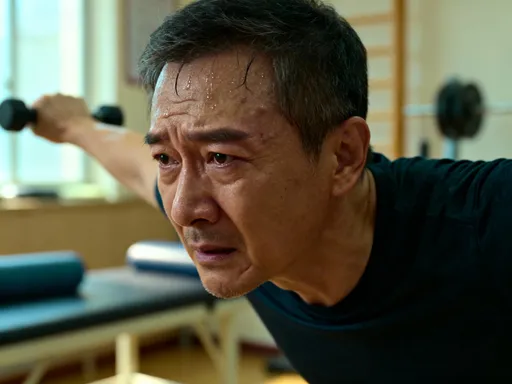
What I Learned the Hard Way About Western Rehab—Spoiler: It’s Not a Quick Fix
Rehabilitation through Western medicine often promises progress, but the journey is rarely straightforward. I once believed healing meant following a doctor’s orders and waiting for results. Instead, I faced setbacks, frustration, and confusion. Many assume treatment alone guarantees recovery, but real improvement demands more than pills and procedures. This is a story of what went wrong, what actually helped, and how misunderstanding the process nearly derailed my progress. It reflects a reality many don’t talk about: recovery is not passive. It requires patience, self-awareness, and active participation. What I learned wasn’t taught in a clinic—it came from experience, missteps, and the slow realization that healing is not just about fixing the body, but about changing how you live within it.
The First Mistake: Trusting the Plan Without Question
When I first entered a Western medical rehabilitation program, I believed the treatment plan was a guaranteed roadmap to recovery. My diagnosis was clear, the doctor was confident, and the prescribed physical therapy schedule seemed thorough. I assumed that as long as I showed up and followed instructions, improvement would follow. This mindset—common among patients—set me up for disappointment. I didn’t ask why certain exercises were chosen, what the expected milestones were, or how long recovery typically took for someone with my condition. I treated the process like a prescription: follow the steps, and the results would come.
What I didn’t realize was that rehabilitation is not a one-size-fits-all journey. While medical professionals provide expert guidance, the success of any rehab program depends heavily on patient engagement. Research consistently shows that patients who actively participate in their care—by understanding their condition, asking questions, and collaborating on goals—tend to have better outcomes. I was passive, assuming expertise resided solely with the clinician. This lack of involvement meant I missed early warning signs when my progress stalled. I didn’t recognize that my form during exercises was incorrect, or that I was skipping sessions due to mild discomfort, thinking rest was part of healing.
Shared decision-making is a cornerstone of effective healthcare, yet it’s often overlooked in rehabilitation settings. When patients understand the rationale behind treatments—why a certain stretch is used, how strength training supports joint stability—they are more likely to adhere and adapt. In my case, a simple conversation about my daily routine, work demands, and personal goals could have led to a more tailored approach. Instead, I followed a generic protocol that didn’t fully align with my lifestyle. By the time I began asking questions, weeks had passed, and my motivation had waned. The lesson was clear: trust in a medical plan should not replace curiosity or personal responsibility. Understanding your diagnosis, prognosis, and the logic behind therapy is not optional—it’s essential to recovery.
Overestimating Immediate Results
One of the most persistent myths in rehabilitation is that improvement should be fast. I expected to feel better within days of starting physical therapy. When I didn’t, I assumed something was wrong—with the treatment, the therapist, or my body. This impatience wasn’t unique to me. Many patients enter rehab with the expectation that medical intervention will produce rapid change, especially when imaging tests show structural issues being addressed. But the human body heals on its own timeline, and physiological recovery rarely aligns with our desire for quick fixes.
True healing involves complex biological processes: tissue repair, neuromuscular re-education, and adaptation of connective tissues. These take time. For example, tendon healing can require weeks to months, depending on the severity of injury and individual factors like age and overall health. I learned the hard way that symptom relief—such as reduced pain after a session—is not the same as structural healing. Temporary improvements can create false hope, leading patients to overexert themselves, only to face setbacks later. I made this mistake myself, increasing my activity too soon because I felt better for a few days, only to experience a flare-up that set me back by weeks.
Setting realistic expectations is critical. Studies show that patients who understand the typical pace of recovery are more likely to remain compliant with treatment. When I finally discussed timelines with my therapist, I learned that measurable progress often occurs in small increments over several weeks. Instead of focusing on pain levels alone, we began tracking functional improvements—like increased range of motion or better balance. This shift in perspective helped me see progress where I once saw failure. Healing is not linear. There are plateaus, fluctuations, and occasional regressions. Recognizing this reality early on could have spared me much frustration. The key is not to expect immediate results, but to trust the process and measure progress in meaningful, sustainable ways.
Neglecting Lifestyle Beyond the Clinic
My rehabilitation plan focused almost entirely on what happened during therapy sessions: exercises, stretches, manual techniques. What wasn’t emphasized enough was what I did the other 23 hours of the day. I continued to sleep poorly, eat processed foods, and sit for long hours at work. At the time, I didn’t see these habits as relevant to my recovery. I thought healing happened in the clinic, not in my kitchen or bedroom. This disconnect between clinical treatment and daily life is a common oversight in Western medical rehab, where interventions are often siloed from broader lifestyle factors.
Yet, a growing body of evidence shows that sleep, nutrition, and stress management play crucial roles in physical recovery. During deep sleep, the body releases growth hormone, which supports tissue repair. Poor sleep disrupts inflammation regulation and pain perception, potentially slowing healing. Nutrition is equally important. Proteins provide amino acids for muscle and connective tissue repair, while vitamins like C and D support collagen formation and immune function. I wasn’t consuming enough of these, assuming my diet was “good enough.” Chronic stress, another factor I ignored, elevates cortisol levels, which can impair healing and increase muscle tension—counteracting the benefits of therapy.
Once I began addressing these areas—improving sleep hygiene, adding more whole foods to my diet, and practicing stress-reduction techniques—I noticed a shift. My energy improved, pain levels stabilized, and my body responded better to exercises. These changes didn’t replace medical treatment; they enhanced it. Rehabilitation doesn’t end when you leave the clinic. Every choice outside of therapy—how you sit, eat, move, and rest—either supports or undermines recovery. Integrating healthy habits into daily life is not an optional add-on; it’s a fundamental part of the healing process. The clinic provides tools, but it’s the patient’s daily routine that determines how well those tools are used.
Relying Solely on Passive Treatments
In the early stages of rehab, I gravitated toward treatments that were done to me—ultrasound, massage, joint mobilizations, and injections. These felt effective in the moment. Pain would ease, movement would improve temporarily, and I’d leave the clinic feeling hopeful. But the relief rarely lasted. I began to rely on these passive interventions, hoping each session would deliver lasting change. This dependence created a false sense of progress and delayed my transition to active recovery—the kind that requires effort, consistency, and personal accountability.
Passive treatments have their place in rehabilitation. They can reduce pain, improve circulation, and prepare tissues for movement. However, they do not build strength, endurance, or neuromuscular control—key components of long-term recovery. True rehabilitation occurs when the patient becomes an active participant: performing prescribed exercises daily, maintaining proper posture, and gradually increasing functional demands. I resisted this shift for months, believing that if a professional could fix me, I shouldn’t have to do the hard work myself.
The turning point came when my therapist emphasized that lasting change comes from repetition and adaptation. Muscles strengthen through resistance, joints become more stable through controlled movement, and movement patterns improve through practice. No machine or manual technique can replicate the cumulative effect of daily effort. I began logging my home exercises, tracking consistency, and adjusting intensity based on feedback from my body. Over time, I noticed real progress—stair climbing became easier, standing for longer periods no longer caused pain, and my confidence in movement returned. Passive treatments may provide temporary relief, but active engagement drives permanent improvement. The most powerful tool in rehabilitation isn’t found in a clinic cabinet—it’s the patient’s willingness to show up for themselves every day.
Misunderstanding Pain and Progress
Pain is an inevitable part of rehabilitation, yet it’s often misinterpreted. When my symptoms flared after a therapy session, I assumed I had done something wrong—damaged tissue, overexerted, or regressed. I would stop certain exercises, reduce activity, and sometimes avoid movement altogether. This fear of pain, known as kinesiophobia, is common and can significantly delay recovery. I didn’t understand that some discomfort is not only normal but necessary for healing. The nervous system, especially after injury, becomes hypersensitive. Pain signals may persist even when tissues are healing, creating a mismatch between sensation and actual damage.
My therapist helped me distinguish between harmful pain and healing-related discomfort. Sharp, localized pain that worsens with movement may indicate injury, but diffuse soreness or stiffness after exercise is often a sign of adaptation—similar to muscle soreness after starting a new fitness routine. Gradual exposure to movement, within safe limits, helps retrain the nervous system to interpret signals more accurately. Avoiding movement leads to stiffness, weakness, and increased sensitivity over time. I learned to use a pain scale (0–10) to guide activity, staying below a threshold that triggered flare-ups while still challenging my body enough to improve.
Movement retraining became a core part of my recovery. Instead of fearing pain, I learned to observe it objectively—where it was, how long it lasted, what made it better or worse. This shift in mindset reduced anxiety and allowed me to stay consistent. Research supports this approach: patients who understand pain neuroscience and engage in graded activity tend to recover faster and with fewer relapses. Pain is not always a warning sign; sometimes, it’s a signal that the body is adapting. Learning to interpret it correctly was one of the most empowering aspects of my rehabilitation journey.
The Hidden Role of Mental and Emotional Health
Western medicine often treats the body and mind as separate entities, but my experience showed they are deeply connected. As my recovery dragged on, I became anxious, frustrated, and discouraged. I worried about never returning to normal activities, about financial costs, and about letting my family down. These emotions weren’t just background noise—they had physical effects. Stress increased muscle tension, disrupted my sleep, and heightened my pain sensitivity. I didn’t realize at the time that my emotional state was actively interfering with healing.
Psychological resilience plays a well-documented role in rehabilitation outcomes. Studies show that patients with higher levels of anxiety or depression tend to have slower recovery rates and report higher pain levels. The stress response activates the sympathetic nervous system, which can impair circulation, reduce tissue oxygenation, and prolong inflammation—directly counteracting the body’s healing mechanisms. I was caught in a cycle: pain led to stress, stress worsened pain, and both undermined progress.
Integrating mental health support made a significant difference. I began practicing mindfulness meditation, which helped me observe my thoughts without reacting to them. I also joined a support group for people in rehabilitation, where sharing experiences reduced feelings of isolation. Some patients benefit from cognitive behavioral therapy (CBT), which helps reframe negative thought patterns related to pain and recovery. These strategies didn’t eliminate challenges, but they improved my ability to cope. Healing is not just physical. Emotional well-being influences motivation, adherence, and the body’s physiological response to treatment. Addressing mental health is not a secondary concern—it’s a vital component of holistic rehabilitation.
Putting It All Together: A Smarter Approach to Western Rehab
Looking back, my rehabilitation journey was shaped as much by what I didn’t know as by the treatments I received. I learned that healing is not passive, fast, or isolated to the clinic. It is an active, ongoing process that requires understanding, patience, and daily commitment. The most effective approach combines medical expertise with personal responsibility. Following a doctor’s advice is important, but so is asking questions, understanding goals, and adjusting the plan as needed. Recovery is a partnership, not a prescription.
A smarter approach means setting realistic expectations from the start. Progress is often slow and non-linear. Small improvements—like standing taller, walking farther, or sleeping better—add up over time. It means embracing active recovery: doing the exercises daily, moving consistently, and tracking progress. Passive treatments can support this, but they cannot replace it. It also means addressing lifestyle factors—sleep, nutrition, stress—that directly influence healing. These habits are not distractions from rehab; they are part of it.
Understanding pain is another cornerstone. Discomfort during recovery does not always mean harm. Learning to interpret signals from the body, distinguishing between true injury and healing-related soreness, reduces fear and supports gradual progress. Finally, recognizing the role of mental and emotional health is essential. Stress, anxiety, and isolation can slow recovery, while mindfulness, support, and resilience can accelerate it.
Western medical rehabilitation provides powerful tools—diagnostic clarity, targeted therapies, evidence-based protocols. But the full potential of these tools is realized only when patients become informed, engaged participants. Healing is not something that happens to you. It is something you actively build, day by day, through consistent, informed effort. My journey taught me that the most important factor in recovery wasn’t the treatment itself, but how I showed up for it. And that lesson made all the difference.