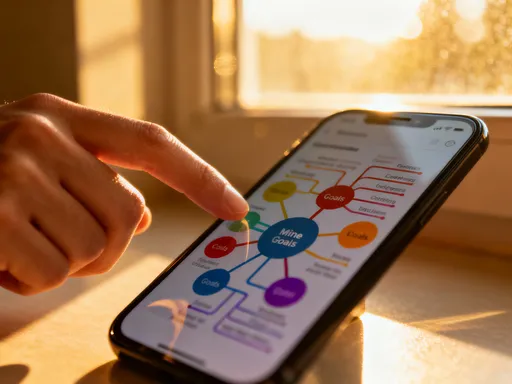
I kept saying ‘It’s just a quick check’—then my workday bled into dinner
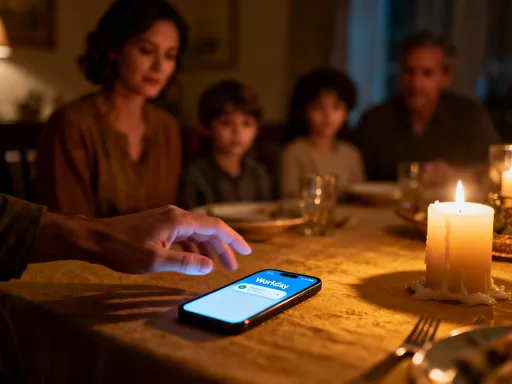
I kept telling myself it was just a quick check. A glance at the Workday app before sitting down to dinner—what harm could it do? But that tiny tap opened a door I didn’t realize was left wide open. Suddenly, I was deep in approval requests, answering messages from my manager, rescheduling meetings, while my daughter asked me twice to help with her math homework and my partner quietly cleared the table alone. When I finally looked up, the food was cold, the kitchen was empty, and I felt that familiar ache—guilt, exhaustion, and the quiet disappointment of missing another moment. It wasn’t the first time, and without a change, it wouldn’t be the last. The truth? It wasn’t my willpower that failed. It was my phone’s permissions.
The Moment I Realized My Phone Was Working Overtime
It started on a Tuesday—nothing special. My son had made a drawing he wanted to show me, my partner had cooked my favorite dish, and I was genuinely excited for a calm, connected evening. But as I set the table, my phone buzzed. Just once. A Workday notification: "Pending approval: Time off request from Team Member." I told myself, "Two minutes. I’ll just tap it and go." But that tap unlocked more than a single message. It opened the floodgate.
Two minutes became five. Five became twenty. Then I was in the app, scrolling through unread items, responding to a message that had been waiting since 3 PM, checking if my calendar was updated for tomorrow’s hybrid meeting. I didn’t notice the silence in the room until my daughter said, "You’re working again, aren’t you?" Her voice wasn’t angry—just tired. And that broke me. Because she was right. I was still at work, even though my body was at the dinner table.
This wasn’t a one-time slip. It had become a pattern—checking in “quickly” after school pickup, during bedtime stories, even while folding laundry. The line between my job and my life had blurred so completely that I couldn’t tell where one ended and the other began. I wasn’t just checking work—I was carrying it with me, mentally and emotionally. And the worst part? I thought it was normal. I thought being “always on” was just part of being responsible, dedicated, a good employee. But deep down, I was exhausted. And my family was feeling the cost.
What Are App Permissions, Really? (And Why They Matter More Than You Think)
Let’s talk about app permissions—those little pop-ups that ask, "Can this app access your location? Your photos? Your notifications?" Most of us tap “Allow” without thinking. We’re in a hurry, or we don’t understand what we’re agreeing to. But here’s the truth: every permission you grant is like handing over a key to a part of your life.
Think of your phone as your home. Some apps need a key to come in—like your calendar app needing access to your schedule, or your camera app needing the camera. That makes sense. But what if you gave your office app the same kind of access? What if you handed your boss a key to your house and said, "Feel free to come in anytime, even at 8 PM, even on Sunday, even if the lights are off"? That sounds extreme, right? But that’s exactly what we do when we let work apps run in the background, send constant notifications, and wake up our phones without permission.
Workday, like many workplace tools, asks for several permissions: notifications, background app refresh, network access, and sometimes even location. Each one gives it more power. Notifications mean it can ping you anytime. Background refresh means it can load data even when you’re not using it—so it’s always ready to interrupt. Location access? That might seem harmless, but it can track when you’re “at work” or “away,” and some systems use that to trigger alerts or log hours. None of this is evil—it’s designed for efficiency. But when left unchecked, these permissions turn your phone into an extension of your office, and your personal time into office hours by default.
The good news? You’re not stuck with it. Just like you can change your locks, you can change your app permissions. And doing so isn’t about rejecting your job—it’s about protecting your life.
How Workday Notifications Sneak Into Your Mental Space
Have you ever noticed how a single notification can pull you out of a conversation, a book, or even a peaceful moment of silence? That’s not an accident. It’s neuroscience. Every ping, buzz, or screen flash triggers a tiny dopamine release—the same chemical linked to pleasure and reward. Your brain starts to anticipate it. And over time, you don’t just respond to notifications—you start waiting for them.
That’s what happened to me. Even when I wasn’t checking my phone, part of my mind was listening. Waiting. Like an employee on standby, never fully off the clock. I’d be helping my daughter with spelling words, and my hand would twitch toward my pocket. I’d be laughing at dinner, and my focus would drift to whether I’d missed anything important. The app wasn’t just on my phone—it was in my head.
And the more I allowed it to interrupt, the harder it became to focus on anything else. Studies show that it takes an average of 23 minutes to fully regain concentration after a distraction. That means every “quick check” wasn’t quick at all. It stole chunks of my attention, my energy, and my presence. I wasn’t just losing time—I was losing the quality of my time.
Worse, many of these alerts weren’t urgent. A time-off request could wait until tomorrow. A meeting reminder didn’t need to ping me at 7:15 PM. But because the app had full permission to notify me, it did—regardless of context, timing, or my actual needs. It created a false sense of urgency, making me feel like I had to respond now, even when I didn’t. And that constant pressure? It wore me down. I wasn’t just distracted—I was stressed, even when I wasn’t working.
Taking Back Control: A Step-by-Step Permission Reset
The turning point came on a Friday night. My phone lit up—again—during a movie with my kids. I looked at the screen, felt that familiar pull, and instead of giving in, I paused. I asked myself: Do I need to see this right now? Or am I just trained to respond? The answer was clear. I didn’t need to. So I did something I’d never done before: I opened my phone settings and went straight to app permissions.
Here’s what I changed—and what you can do too.
First, I found the Workday app in my settings. On iPhone, it’s under Settings > Notifications > Workday. On Android, it’s Settings > Apps > Workday > Notifications. I turned off all non-essential alerts. That meant no banners, no sounds, no badges. I kept one exception: “Urgent” or “High Priority” notifications, if my company uses that feature. But everything else? Gone.
Next, I disabled background app refresh. On iPhone, that’s Settings > General > Background App Refresh > Workday. On Android, it’s under Data Usage > Background Data. This stops the app from loading new content when I’m not using it—so it can’t surprise me with updates.
Then, I reviewed location access. Workday didn’t need to know where I was after hours. I changed it to “Never.” I also turned off microphone and camera access—because no, my work app doesn’t need to listen or watch me at home.
The biggest change? I set “Deliver Quietly.” This means that if a notification does come through, it goes straight to my notification center—no sound, no vibration, no screen flash. It’s there if I choose to check it, but it won’t grab me.
That first evening without pings was surreal. I noticed the silence. I noticed how my shoulders dropped. I finished the movie with my kids. I helped with bedtime without distraction. And when I finally opened the app at 8:30 PM—on my terms—I saw the same messages I would’ve seen at 7:00. Nothing had exploded. The world was fine. And I felt something I hadn’t in months: peace.
Setting Boundaries That Stick—Without Quitting Your Job
Here’s what I’ve learned: you don’t have to choose between being a good employee and being present at home. You can do both—but it takes intention. Changing app permissions was the first step. The second was setting personal rules that match my tech setup.
I decided: no work notifications after 7 PM on weekdays. None on weekends unless it’s a true emergency. I didn’t announce it dramatically—I just started living it. When someone expected a quick reply and didn’t get one, I explained gently: "I’ve set my hours to protect family time. I’ll respond first thing in the morning." Most people understood. Some even said, "I should do that too."
I also talked to my manager. Not to ask permission—but to inform. "I’m adjusting how I manage after-hours communication to stay fresh and focused during work hours. I’ll still meet deadlines and be available during the day, but I won’t be checking in the evenings." To my surprise, she supported it. She even said, "We need more people setting boundaries like this."
This isn’t about laziness or disengagement. It’s about sustainability. You can’t pour from an empty cup. And when you protect your personal time, you actually become better at your job. You’re more focused, more creative, and more resilient. Boundaries aren’t walls—they’re guardrails that keep you on the road without burning out.
And here’s the secret: once you start, it gets easier. The app stops expecting you. Your colleagues adjust. And you start to believe that your time—and your attention—belongs to you.
The Ripple Effect: Calmer Mornings, Better Focus, More Joy
The changes didn’t just fix my evenings. They transformed my whole rhythm.
Mornings used to be chaotic. I’d wake up and immediately check my phone—answering emails before I even got out of bed. I’d start the day already behind, already stressed. Now? I leave my phone in another room overnight. I wake up, stretch, make coffee, and spend ten minutes just breathing. I’m not reacting—I’m beginning.
During work hours, I’m more focused. Because I’m not constantly interrupted by after-hours messages, I can dive into tasks without mental clutter. I finish reports faster. I’m more present in meetings. I even take real lunch breaks—something I hadn’t done in years.
But the biggest shift is emotional. I feel lighter. I’m not carrying that low hum of anxiety—the one that says, "You’re not doing enough." I’m more patient with my kids. I laugh more with my partner. I notice the small things: the way the light hits the kitchen in the morning, the sound of rain on the roof, the quiet joy of a meal eaten together, fully.
And when I do check work, I do it with purpose. Not out of habit, not because I’m being pulled, but because I’ve chosen to. That difference—between reaction and choice—has changed everything.
Your Phone Should Serve You—Not Supervise You
Technology was supposed to make life easier. To give us more time, more freedom, more connection. But somewhere along the way, we let it take over. We gave apps the power to decide when we pay attention, when we work, when we rest. And we forgot that we’re in charge.
Your phone is a tool. It’s not your boss. It’s not your overseer. It’s not a measure of your worth or your dedication. It’s a device you own, and you get to decide how it serves you.
So tonight, before you go to bed, take five minutes. Open your phone. Go to settings. Find one app—maybe Workday, maybe email, maybe Slack—and adjust one permission. Turn off notifications after hours. Disable background refresh. Set alerts to “Deliver Quietly.” Make it harder for work to sneak into your life.
That small act isn’t just about tech. It’s about reclaiming your attention. Your time. Your peace. Your presence. And when you do, you’ll find something priceless: the ability to be fully here—for your family, for yourself, for the life you’re actually living.
You don’t need to check that app right now. You’re already enough. And your evening? It’s yours.