Tired of shouting ‘Did you turn off the oven?’ across the house? Here’s how smart appliances finally brought us closer
Tired of shouting ‘Did you turn off the oven?’ across the house? Or racing back from the grocery store because no one remembers if the coffee maker was switched off? I’ve been there—more times than I can count. It’s not just about safety or saving electricity. It’s about that nagging feeling of disconnection, when little things pile up and turn a loving home into a series of missed signals and frustrated sighs. For years, my family and I kept falling into the same patterns: forgotten chores, last-minute scrambles, and quiet resentments. But then something changed—not because we suddenly became more organized, but because our appliances started helping us stay in sync. And honestly, it brought us closer in ways I never expected.
The Daily Chaos No One Talks About
Let’s be real—no one wakes up planning to argue about the dishwasher. But in my house, it happened all the time. My daughter would leave her cereal bowl by the sink, thinking it was ‘clean enough.’ My husband would toss his gym clothes in the hamper, forgetting the washer was already full. And me? I’d end up doing a mental checklist every night: Did I turn off the iron? Is the back door locked? Was the slow cooker unplugged after lunch? The weight of it all wasn’t just physical—it was emotional. I started feeling like a manager, not a mom. And the worst part? I wasn’t alone. So many of us carry this invisible load, this constant mental tracking of what’s been done and what hasn’t. We call it ‘keeping the home running,’ but it often feels more like firefighting.
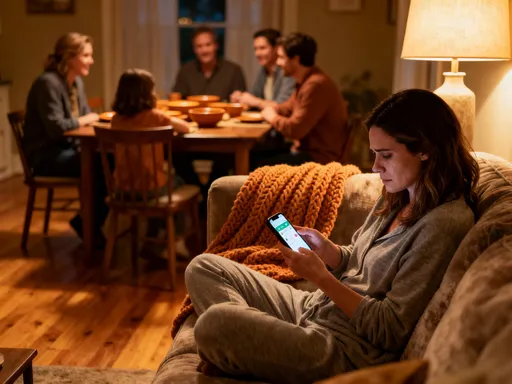
And then there’s the blame game. ‘You said you’d take out the trash.’ ‘No, I thought you were doing it.’ These aren’t big fights, but they chip away at something important—trust. When small tasks become landmines, it’s easy to start seeing each other as part of the problem instead of the solution. We stopped talking about our days and started listing chores. The house felt tense, like we were all walking on eggshells, waiting for the next thing to go wrong. I remember one evening, after a long day at work, I got a text from my husband: ‘Did you start the laundry?’ I hadn’t. He hadn’t either. The clothes sat there for two more days, and by then, the moment to connect—over dinner, over a glass of wine—had passed. It wasn’t about the laundry. It was about how something so small could steal something so big: our time together.
How I Accidentally Found a Better Way
The turning point came after a burnt lasagna. I had left it in the oven while helping my daughter with homework, completely forgetting to check the time. The smoke alarm went off, the kitchen filled with smoke, and my youngest started crying. My husband rushed in, turned everything off, and we stood there—stressed, embarrassed, and exhausted. Later that night, I was scrolling online, still shaken, when I saw an ad for a smart plug. It promised you could control any appliance from your phone. I clicked out of it at first—‘Another gadget? Really?’ But the next day, I went back. Not because I wanted to be ‘high-tech,’ but because I was tired of living in constant low-grade panic.
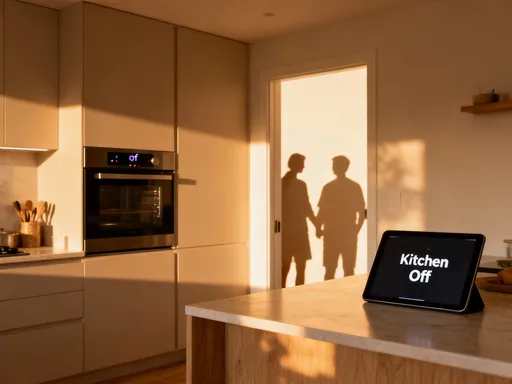
I bought one, plugged in the coffee maker, and set a schedule so it turned off an hour after brewing. Then I tried it with the oven. The first time I got a notification saying, ‘Oven turned off remotely,’ I actually laughed. It wasn’t magic—just a little red light on my phone—but it felt like a weight had lifted. I didn’t have to wonder. I didn’t have to go back. I knew. That tiny moment sparked something in me. What if more of our home could work like this? Not to replace us, but to support us? I started looking into other smart devices—not because I wanted a futuristic house, but because I wanted a calmer one. And slowly, one device at a time, we began to build a home that helped us stay in sync, instead of constantly falling out of it.
From Appliances to Allies: What Changed
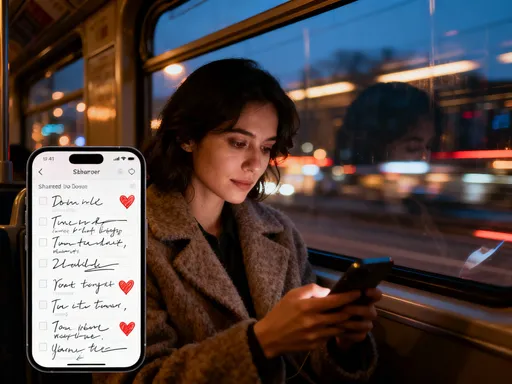
The real shift wasn’t in the gadgets—it was in how we treated each other. Take the laundry, for example. Before, it was a recurring source of tension. Now, our washing machine sends a notification when it’s done. No more guessing. No more ‘I thought you were going to move it to the dryer.’ One night, my son got the alert while he was doing homework. He stood up, said, ‘Oh, that’s me,’ and went to switch the load. I didn’t have to ask. I didn’t have to remind. And when he came back, he smiled. ‘Got it done.’ That moment wasn’t about the laundry—it was about pride, responsibility, and peace. The appliance didn’t do the work, but it removed the friction that used to make the work feel like a burden.
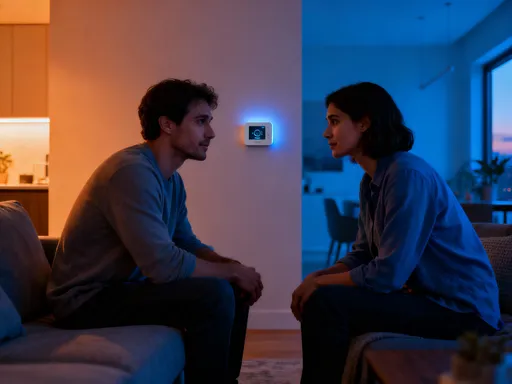
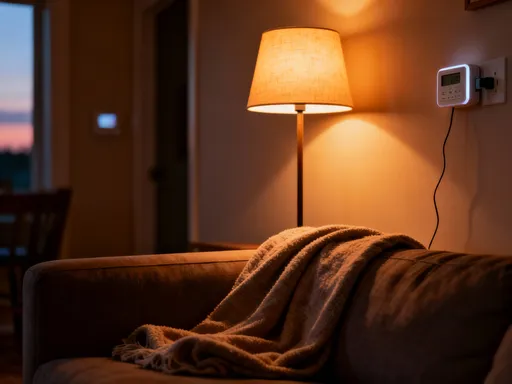
Same with the lights. We set up motion-sensing lights in the hallway and stairs. At first, I worried it would feel cold, too automated. But it turned out to be the opposite. My mom, who visits often, used to stumble in the dark when she got up at night. Now, the path lights up gently as she walks. She told me, ‘I feel safer, and I don’t have to wake anyone up turning on switches.’ That small change gave her dignity and independence—and gave me peace of mind. Even our thermostat became a team player. We set it to lower the heat at night and warm the house before everyone wakes up. No more arguments about ‘Why is it so cold?’ or ‘Why is the bill so high?’ The house just knew. And in knowing, it helped us stop nagging and start living.
Making It Work: A Simple Setup That Fits Real Life
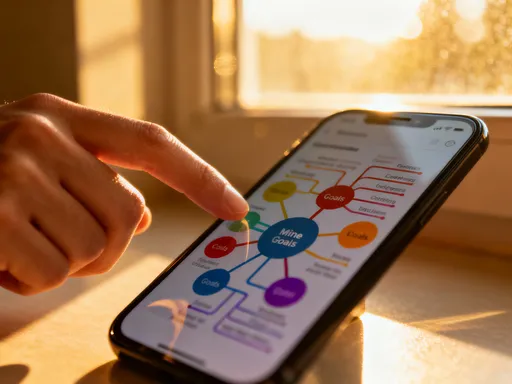
I’ll be honest—I’m not a tech expert. I don’t code. I don’t even like reading manuals. So when I started, I was nervous. But what surprised me most was how simple it really was. I began with a central hub, something that lets all the devices talk to each other. I chose one that works with a free app on my phone—no extra screens, no complicated setup. Then, I picked just three things to start: the coffee maker, the living room lights, and the front door lock. I didn’t want to overhaul everything. I just wanted to fix the pain points.
Grouping routines made a huge difference. I created a ‘Goodnight Mode’ that turns off all the lights, locks the doors, and lowers the thermostat with one tap. No more walking through the house, checking switches. And in the morning, ‘Wake Up Mode’ slowly brightens the bedroom lights and starts the coffee. My daughter loves it—she says it feels like the house is saying good morning. I also set up ‘Away Mode,’ which turns off non-essential appliances and turns on random lights so the house looks lived-in when we’re on vacation. It’s not flashy, but it’s reliable. And the best part? I didn’t need an electrician. Everything plugs in or screws in like a regular bulb. Most of the devices connect through Wi-Fi or Bluetooth, and the app walks you through each step. If I can do it, so can you.
When Tech Strengthens Ties, Not Replaces Them
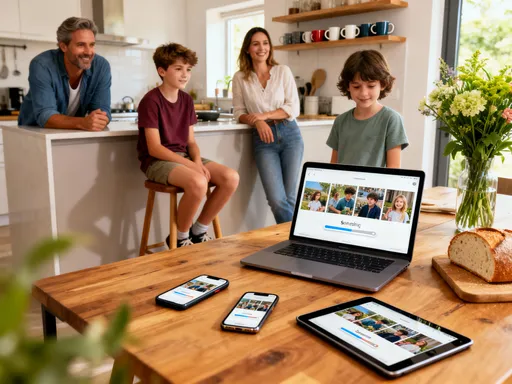
Some people worry that smart homes make families less connected—that we’ll all be glued to screens, ignoring each other. But in my house, the opposite happened. Because the little things were handled, we had more mental space for the big things. We started having real conversations again—about school, about dreams, about nothing at all. One Saturday morning, instead of arguing over chores, we all sat together, drinking coffee, watching the sunrise through the kitchen window. No one had to remind anyone to do anything. The house was quiet, but we were present. That moment meant more than any gadget ever could.
Our kids even started taking initiative. My son programmed a ‘Homework Mode’ that turns on his desk light and plays soft background music. My daughter set up a ‘Relax Mode’ with dim lights and calming scents through a smart diffuser. They weren’t just using the tech—they were shaping their environment to support their needs. And as a mom, that made me proud. This wasn’t about control. It was about empowerment. The technology didn’t replace our bond—it protected it. By reducing the noise of daily stress, it gave us room to breathe, to listen, to be together without agenda. And that, I’ve realized, is the true luxury: not a perfectly clean house, but a truly connected family.
Overcoming Doubts: Privacy, Cost, and “Is This Really for Me?”
I had all the same worries you might have. Is this safe? Will someone hack our home? What if the devices stop working? I started by choosing brands with strong reputations for security—ones that offer regular updates and two-factor authentication. I also set up a separate Wi-Fi network just for the smart devices, so they don’t interfere with our main internet use. And I’m careful about what data I share. For example, I don’t use voice assistants to store sensitive information. It’s not about fear—it’s about being smart. Just like we lock our doors, we can take simple steps to protect our digital space.
Cost was another concern. I didn’t want to spend thousands on a ‘smart home.’ So I started small. That first smart plug was under $20. A smart bulb? Around $15. I added things slowly, focusing on what would make the biggest difference. Over a year, I spent less than $300—and that included the hub. Compared to the cost of ruined meals, high energy bills, or even just the emotional toll of constant stress, it’s been worth every penny. And honestly, some of the most helpful tools are free. The app that controls everything? No monthly fee. The routines I created? Just my time and attention. This isn’t about having the fanciest setup. It’s about making thoughtful choices that support your family’s rhythm. And yes, even my 72-year-old mom uses the smart speaker now. She says, ‘If it can remind me to take my pills and play my favorite hymns, I’m all in.’
A Home That Works With You—Not Against You
Looking back, the biggest change wasn’t in our appliances. It was in us. We’re calmer. We laugh more. We’re more patient—with the kids, with each other, with ourselves. The smart home didn’t create connection. It removed the roadblocks that were hiding it. It didn’t make us better people—but it gave us the space to be better people. And that’s the quiet magic of this technology: it doesn’t demand your attention. It gives it back.
I used to think a smart home was about convenience. Now I know it’s about care. It’s about making sure no one has to wonder if the stove is off. It’s about helping Grandma feel safe at night. It’s about freeing up your mind so you can focus on what really matters—your family, your peace, your joy. Because a home isn’t just smart when the lights turn on by themselves. It’s smart when it helps everyone feel seen, supported, and loved. And if that means I can stop shouting across the house about the oven? Well, that’s a win I’ll take every single day.