Tired of your game ideas going nowhere? How I finally brought mine to life with the right app
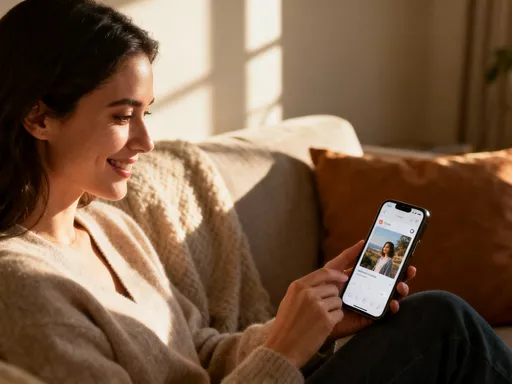
You know that spark when a great game idea hits you—maybe in the shower, on your commute, or just before sleep? I’ve been there a hundred times. But like so many of us, I’d get excited, scribble a few notes, then watch the idea fade into oblivion. It wasn’t laziness—it was the lack of a simple, intuitive way to turn inspiration into something real. That changed when I discovered how the right gaming app could do more than entertain—it could create. Now, I don’t just play games. I make them. And not because I’m a programmer or have years of experience, but because technology has finally caught up with the way real people dream, create, and share.
The Moment Inspiration Meets Frustration
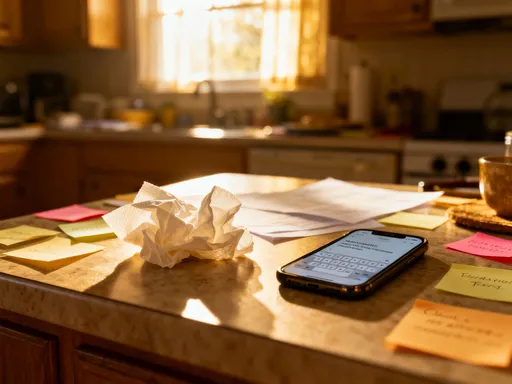
How many brilliant ideas have you lost to a busy mind and an even busier life? I remember sitting at my kitchen table one rainy afternoon, sketching a little robot with mismatched eyes on a napkin. It collected lost things—socks, keys, forgotten birthdays—and returned them in the quietest, most unexpected ways. I was enchanted by the idea. But by the next morning, the napkin was gone, the idea buried under grocery lists and school pickup schedules.
That wasn’t the first time it happened. For years, I’d chase creativity like it was a runaway train. I’d wake up with a story about a forest that only grew at night, or a puzzle game where time moved backward. I’d jot it down in a notebook, record a voice memo while driving, or whisper it into my phone’s notes app. But without a way to develop those sparks, they’d fizzle out. And each time, I didn’t just lose an idea—I lost a little faith in myself. Was I really creative, or just good at imagining things I’d never do?
It took me a long time to realize the problem wasn’t me. It was the tools. Pen and paper are beautiful, but they don’t let you test a jump mechanic. Voice memos capture emotion, but they can’t show how a character moves through a world. I needed something that could keep up with my imagination—not slow it down. I needed a bridge between ‘what if’ and ‘what is.’ And I finally found it not in a high-end studio or a coding bootcamp, but in an app I downloaded while waiting for my coffee.
Discovering Apps That Do More Than Play
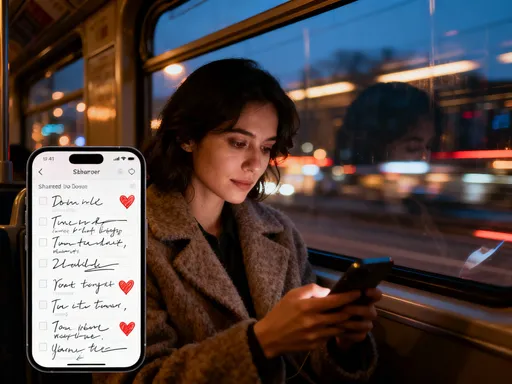
I wasn’t looking to become a game developer. I was just trying to pass time on a delayed train, scrolling through the app store like we all do. I tapped on something called ‘PixelCraft’—not because I knew anything about it, but because the icon looked friendly. I expected another endless runner or match-three puzzle. Instead, I got a message: ‘Want to build your own world?’
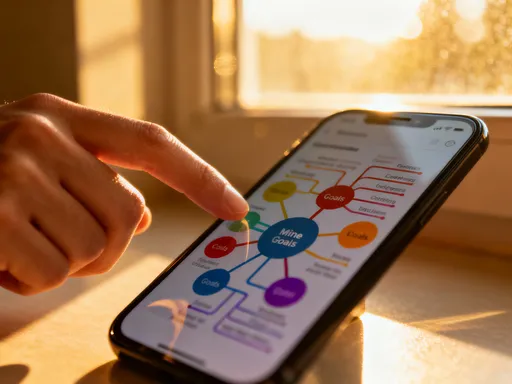
It opened into a colorful grid, like digital LEGO bricks. I could drag blocks to build platforms, add characters with a tap, and set simple rules—like ‘when the player touches the star, go to the next level.’ No code. No complicated menus. Just play. And in that play, something shifted. I wasn’t just consuming content anymore. I was making it.
What surprised me most wasn’t the tools—it was how the app made me feel. I didn’t need permission to create. I didn’t need a degree or a team. I just needed curiosity. The interface was designed so intuitively that I started thinking in mechanics: ‘What if this enemy only moves when you’re not looking?’ ‘What if the sky changes color when you solve a puzzle?’ These weren’t big ideas, but they were mine. And for the first time, I could see them come to life in real time.
That moment on the train didn’t feel life-changing at first. But it planted a seed. I started using the app not just to play, but to experiment. I’d open it during lunch breaks, test a new level layout, or save a character design. It wasn’t about making a hit game. It was about reclaiming the joy of creation—something I hadn’t felt since I was a kid with crayons and construction paper.
Turning “What If” Into “What Is”
One evening, after the kids were in bed and the house was quiet, I sat down with that robot idea—the one from the napkin. This time, instead of just imagining it, I opened PixelCraft and started building. I found a sprite that looked like a small, curious machine with oversized eyes. I gave it a wobbly walk animation. Then I built a simple city made of broken clocks and floating keys. The goal? Collect the lost things and return them to glowing mailboxes.
It took me three hours. It wasn’t perfect. The robot sometimes got stuck on corners, and the music looped a little too fast. But it was playable. And more importantly, it was real. I sent it to my sister with a shaky voice note: ‘I made something. I want you to see it.’ When she played it and said, ‘This is so you,’ I nearly cried. Not because it was amazing—but because I had finally finished something I started in my mind.
The app didn’t write the game for me. It didn’t choose the story or design the characters. But it gave me the scaffolding—the blocks, the logic, the feedback loop—to build it myself. It turned abstract imagination into tangible creation. And that shift? That’s where confidence begins. Because now, when I have an idea, I don’t just think, ‘That’s cool.’ I think, ‘I could make that.’
And the best part? I didn’t have to learn a new language or spend months studying game design. The app guided me with gentle prompts and instant previews. If something didn’t work, I could undo it in one tap. There was no fear of failure—just freedom to try. That’s the power of the right tool. It doesn’t replace creativity. It unlocks it.
Connecting with Others Who Get It
I used to think creativity was a lonely thing. I pictured artists in garages, writers at 3 a.m. desks, inventors sketching in silence. But the truth is, creation thrives in community. And I found mine in the most unexpected place—the ‘Creators Corner’ inside the app.
It was tucked away in the menu, easy to miss. A simple feed where users could upload their games and get feedback. I was terrified to post mine. What if people thought it was childish? What if they laughed? But I clicked ‘share’ anyway. Within hours, I had three comments. One said, ‘Love the mood—feels nostalgic and hopeful at the same time.’ Another asked, ‘Can you add a night mode where the city glows?’ And then a message: ‘I’m working on a game about forgotten sounds. Want to collaborate?’
That message changed everything. Her name was Maya, a teacher from Oregon who made games on weekends. We started swapping ideas, testing each other’s levels, and cheering from afar. We even built a mini-game together—a little adventure where players collect lost lullabies. It’s not on any big platform. It’s just ours. But it means the world.
What I’ve learned is that these apps aren’t just about making games. They’re about making connections. They give quiet dreamers a voice and a place to be seen. And in a world that often feels noisy and disconnected, that’s powerful. You don’t need millions of downloads to matter. You just need one person to say, ‘I felt something when I played your game.’ That’s the real reward.
Balancing Life and Creation
Let’s be real—I’m not a full-time creator. I have a job. I pack lunches, pay bills, and sometimes forget to water the plants. I don’t have weeks to spend on a single level. But that’s the beauty of these tools. They don’t demand big chunks of time. They fit into the in-between moments.
Fifteen minutes before bed? I tweak the robot’s jump height. Waiting in the carpool line? I record a voice note for a new character’s line: ‘Found your lost umbrella. It was hiding behind the fridge again.’ These small actions add up. I’m not waiting for ‘someday’ anymore. I’m doing it now, in the cracks of my day.
And the app adapts to me—not the other way around. I can save my progress in the cloud, switch devices, or come back days later without losing momentum. It’s like having a creative notebook that never closes. Some days, I do a lot. Others, I just change a color or test a sound effect. But I’m still moving forward.
This isn’t about becoming famous or quitting my job. It’s about honoring the part of me that wants to make things. The part that still wonders, ‘What if?’ It’s about showing my kids that mom has dreams too—not just to-do lists. And it’s about proving to myself that I’m capable of more than I thought. Because if I can build a game in ten-minute bursts, what else could I do with a little time and the right support?
From Personal Joy to Shared Impact
Last month, I shared my robot game with my eight-year-old niece. I showed her how to play on my tablet, nervous like I was presenting a school project. She leaned in, tapped the screen, and watched the robot wobble across the broken city. Then she laughed—this bright, joyful sound—when it found a lost birthday cake and the screen filled with confetti.
She looked up and said, ‘Can we make one together?’
That question hit me like a wave. Because in that moment, it wasn’t just my game anymore. It was a bridge. A way to connect, to teach, to inspire. We spent the weekend building a new level—she chose the colors, I helped set the rules. She named the new character ‘Sparkle’ and gave her a rainbow jetpack. It was messy. It was imperfect. But it was ours.
That’s when I realized these apps aren’t just for developers or tech lovers. They’re for parents, teachers, dreamers, anyone who’s ever wanted to make something that makes someone smile. They turn personal joy into shared impact. And that ripple effect? It’s bigger than we think. Maybe my game will never be on a billboard. But if it makes one kid believe she can create something too, then it’s already a success.
Why This Matters Beyond the Screen
Creating something—anything—changes you. It doesn’t matter if it’s a game, a garden, a quilt, or a playlist. The act of making teaches you things no lecture ever could. You learn patience when a level doesn’t work. You learn problem-solving when your character gets stuck in a wall. You learn courage when you hit ‘share’ and let someone else see your world.
Using this app didn’t turn me into a coding expert. But it did make me feel more capable. More curious. More alive. In a world that often makes us feel like passive consumers—scrolling, clicking, watching—it reminds us we’re also creators. We all have ideas worth bringing to life. We just need the right tool to begin.
And the most beautiful part? These tools are no longer locked behind degrees or expensive software. They’re in our pockets, on our tablets, waiting for a quiet moment when inspiration strikes. You don’t need to be a genius. You don’t need to quit your job. You just need to start—wherever you are, with whatever you have.
So the next time a game idea flashes in your mind—maybe in the shower, on your commute, or just before sleep—don’t let it go. Open an app. Drag a block. Test a rule. See what happens. Because that spark? It’s not just a passing thought. It’s a whisper from your creative self, saying, ‘I’m still here. Let’s build something.’ And now, you finally can.