What If Your Favorite Game Could Make You Better at Life?
Ever feel like you’re stuck in the same daily grind—rushing, multitasking, and still falling short? What if the time you spend unwinding with a mobile game wasn’t just entertainment, but a way to sharpen focus, stay calm under pressure, and actually grow? Turns out, some gaming apps are no longer just about fun. They’re quietly helping players build real-life control, one tap at a time. And you might already be playing one without even realizing it. Imagine turning those five-minute breaks between chores or school pickups into moments that help you think clearer, react slower, and feel more in charge. That’s not magic—that’s thoughtful tech, working gently in the background of your life.
The Hidden Side of Gaming: More Than Just a Pastime
Let’s be honest—most of us pick up our phones after a long day because we need a break. Maybe you’re sitting in the car waiting for your daughter’s dance class to end, or you’ve just finished folding laundry and need five minutes to yourself. You open that familiar game, the one with colorful tiles or calming music, and start tapping away. It feels light. Easy. Guilt-free, even. But what if I told you that in those quiet moments, something deeper is happening? That your brain isn’t just zoning out, but quietly learning?
Not all games are the same, of course. Some are designed to keep you hooked, feeding on quick rewards and endless scrolling. But a growing number of mobile games are built with a different intention. They’re made by developers who understand psychology—not to manipulate, but to support. These apps use subtle design choices to encourage patience, attention, and thoughtful decision-making. Think of it like a workout for your mind, but instead of lifting weights, you’re matching patterns or planning moves several steps ahead.
Take a simple puzzle game where you have to clear the board in as few moves as possible. At first glance, it’s just fun. But every time you pause and consider your next move instead of rushing, you’re practicing self-control. When you learn from a mistake and adjust your strategy, you’re building resilience. And when you finally solve a tough level after a few tries, you feel that quiet pride—the kind that says, I didn’t give up. These aren’t just game wins. They’re small victories that echo into real life.
I remember talking to a friend last summer—let’s call her Maria—who told me she started playing a word puzzle during her lunch break. She didn’t think much of it at first. But after a few weeks, she noticed she was less reactive during tense meetings at work. “I don’t jump in as fast,” she said. “I actually listen all the way through before responding.” That’s not a coincidence. The game had trained her to slow down, think ahead, and choose her next move carefully—skills that transferred right into her professional life.
Why Control Matters More Than You Think
We often think of self-control as something you either have or you don’t—like being naturally patient or organized. But the truth is, control isn’t a fixed trait. It’s a skill, and like any skill, it can be strengthened with practice. And it’s not just about resisting cookies or sticking to a budget. Real control shows up in how you manage your attention, how you respond when the kids are loud and dinner’s burning, or how you stay focused when your to-do list feels overwhelming.
When control is weak, everything feels harder. You might snap at your partner over something small, or spend an hour scrolling when you meant to check emails. You start a project but lose steam halfway. That’s not laziness—that’s your brain overloaded and under-supported. But when control is strong, you can pause before reacting. You can return to a task even when it’s boring. You can say no to distractions because you’re tuned into what really matters.
And here’s the thing: control isn’t just about willpower. It’s about systems. Think of it like driving a car. You can have the strongest engine in the world, but if the steering wheel is loose, you’re not going to get where you want to go. Your brain needs reliable feedback, clear signals, and small wins to stay on track. That’s where well-designed games come in. They create a safe space to practice control—without real-world consequences. You can fail a level, take a breath, and try again. No one’s watching. No one’s judging. And over time, you build confidence in your ability to stay calm and focused, even when things get messy.
One mom I spoke with shared how she used to feel overwhelmed every afternoon—the noise, the homework, the dinner prep. She’d end up raising her voice, then feeling guilty later. But after playing a rhythm-based game for just ten minutes each day, she started noticing a shift. “It’s like the game taught me to breathe through the chaos,” she said. “Now when the house is loud, I don’t go into panic mode. I just… pause. And that changes everything.” That pause? That’s control in action. And it’s something anyone can learn, with the right kind of practice.
How Gaming Apps Train Your Brain Without You Noticing
You don’t need to sit down with a textbook or sign up for a meditation app to grow mentally stronger. Sometimes, the tools are already in your pocket. The best growth-oriented games don’t feel like work. They don’t lecture you or quiz you on mindfulness. Instead, they use gameplay mechanics that naturally reinforce focus, planning, and emotional regulation.
Consider a game where you have to manage resources—like planting crops, running a little shop, or building a garden. Each decision matters. If you spend too much too soon, you’ll run out. If you wait too long, you miss opportunities. Sound familiar? That’s because it mirrors real-life budgeting, time management, and even parenting. The game doesn’t tell you this. It just lets you experience the consequences of your choices in a low-stakes environment. Over time, you start making more thoughtful decisions—not just in the game, but in your day-to-day life.
Then there are timed challenges. These aren’t about speed for speed’s sake. The best ones create a sense of gentle pressure—enough to keep you engaged, but not so much that you panic. When you learn to stay calm under that pressure, you’re training your brain to handle stress better. You’re teaching yourself that you can think clearly even when the clock is ticking. That skill comes in handy when you’re rushing to get the kids to school, or when an unexpected bill shows up.
Progress tracking is another powerful feature. Many of these games show your streaks, your best scores, your improvement over time. This isn’t just about bragging rights. It’s about building self-awareness. When you see that you’ve played mindfully for seven days in a row, you start to believe that you’re someone who shows up for yourself. That identity shift—I am someone who stays consistent—is more powerful than any single achievement.
And let’s not forget feedback. Good games give you clear, immediate feedback. You make a move, and you see the result right away. No guessing. No confusion. This kind of clarity helps your brain learn faster. In real life, consequences are often delayed or unclear. But in a well-designed game, the cause-and-effect relationship is crystal clear. That makes it easier to learn from mistakes and adjust your approach—skills that are invaluable in parenting, relationships, and personal goals.
From Screen Time to Growth Time: Real-Life Benefits
It’s one thing to say that games can help. It’s another to see the difference in real life. And the truth is, many people are already experiencing these benefits—sometimes without even realizing the connection. I’ve heard from women in their 40s who say they’re more patient with their teenagers since starting a daily puzzle habit. Teachers who report better focus during lesson planning. Even retirees who feel more mentally sharp after playing memory-based games for a few weeks.
One woman shared how she used to feel anxious every time she had to speak in front of her book club. Her heart would race, her voice would shake. But after playing a game that required steady timing and calm decision-making, she noticed a change. “I didn’t even think about it at first,” she said. “But one night, I raised my hand to share, and I felt… steady. Like I could actually think while I was talking.” That’s not just confidence. That’s neural rewiring in action—small, consistent practice leading to real emotional regulation.
Another common theme is improved family dynamics. Several parents mentioned that they’re less reactive now. They don’t yell as much. They’re better at staying present during bedtime routines or homework sessions. One dad said his daughter noticed the change before he did. “She looked up and said, ‘You’re not rushing me anymore.’ That hit me hard.” That’s the ripple effect of building control—not just for you, but for everyone around you.
And it’s not just about emotional regulation. Some people report better productivity. They’re able to start tasks more easily, stick with them longer, and resist the pull of distractions. One freelance writer said she used to waste hours switching between emails, social media, and work. But after using a focus-based game as a daily warm-up, she found it easier to enter a state of flow. “It’s like the game wakes up my attention,” she said. “Then I can actually write without checking my phone every two minutes.”
These aren’t dramatic transformations overnight. They’re subtle shifts—small gains that accumulate over time. But that’s what makes them sustainable. You’re not trying to overhaul your life. You’re just playing a game. And yet, life starts to feel a little easier, a little clearer, a little more in your hands.
Choosing the Right Game: Not All Apps Are Created Equal
Here’s the hard truth: not every game supports growth. Some are designed to keep you playing as long as possible, using tricks like infinite levels, random rewards, and urgent notifications. These can actually weaken your control by training your brain to crave constant stimulation. So how do you tell the difference?
Start by noticing how a game makes you feel. Does it leave you calm and satisfied, or restless and drained? Do you close the app feeling refreshed, or like you just wasted time? Trust your gut. A good growth-oriented game should feel rewarding without being addictive. It should challenge you, but not frustrate you. There’s a difference between healthy difficulty and unnecessary stress.
Look for games with predictable pacing. These are apps where you know what to expect—no sudden surprises or manipulative time pressure. Clear feedback is another sign. You should always know why you succeeded or failed. Vague or confusing outcomes don’t help you learn. And avoid games that rely on randomness or luck. Skill-based games, where your choices directly affect the outcome, are far more effective for building real control.
Also, pay attention to the reward system. Healthy games offer rewards that feel earned—like unlocking a new level after consistent effort. They don’t hand out prizes for just showing up. And they don’t use fear tactics, like threatening to delete your progress if you don’t play every day. That kind of pressure doesn’t build control—it undermines it.
If you’re not sure, try this simple test: play for five minutes, then close the app. Can you walk away easily? Or do you feel a strong urge to keep going? The ability to stop is a sign of healthy design. And if you find yourself reaching for the app out of habit rather than choice, it might be time to delete it and try something else.
Making It a Habit: Turning Play Into Practice
So how do you make this work in real life? The key is intention. Instead of playing mindlessly, treat your game time as a mini mental workout. Start small—just five to ten minutes a day. Pick a consistent time, like after breakfast or during your afternoon tea. The goal isn’t to master the game. It’s to practice being present, making thoughtful choices, and staying calm under mild pressure.
You can even add a quick reflection afterward. Ask yourself: Did I rush through that level, or did I take my time? Did I get frustrated when I made a mistake, or did I just try again? How do I feel now compared to before I played? These simple questions help you connect the game experience to your inner state. Over time, you’ll start to notice patterns—not just in the game, but in how you handle stress, decisions, and distractions in daily life.
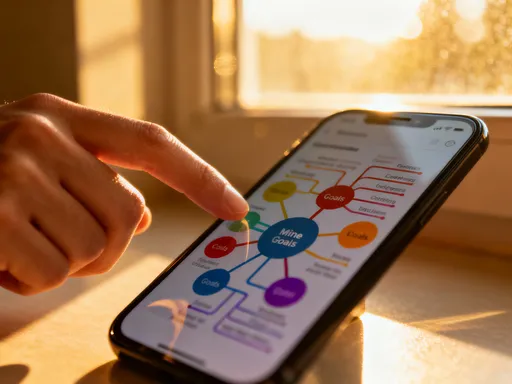
Some people find it helpful to link their game progress to a real-life goal. For example, “Every time I complete a week-long streak, I’ll take myself out for coffee as a reward.” Or “If I stay calm during a tough level, I’ll remind myself I can stay calm during a tough conversation.” These small connections strengthen the bridge between play and real-world behavior.
And don’t worry about being perfect. Some days, you’ll play and feel distracted. That’s okay. The practice isn’t about flawless performance. It’s about showing up, noticing what’s happening, and gently guiding yourself back. That’s the essence of control—and it’s something you can build, one game session at a time.
The Bigger Picture: Tech That Helps You Thrive
We’ve been taught to feel guilty about screen time. As if every minute spent on a device is a minute wasted. But what if we reframed it? What if, instead of seeing technology as the enemy, we saw it as a potential ally in becoming our best selves? The truth is, tech isn’t inherently good or bad. It depends on how it’s designed—and how we use it.
The best tools don’t shout for attention. They don’t demand your time. They sit quietly, ready to support you when you need them. And when they’re built with care, they can help you grow in ways you never expected. A simple game can become a daily ritual of focus. A few minutes of play can become a moment of clarity in a busy day.
You don’t have to overhaul your life to change it. Sometimes, the smallest shifts make the biggest difference. You don’t need more willpower. You don’t need to add another thing to your plate. You just need to play—mindfully, consistently, and with purpose. Because when you build control in the game, you build it in life. And that means you’re not just surviving the daily grind. You’re navigating it with more calm, more confidence, and more control than you thought possible. And that? That’s something worth playing for.